
Off-grid living doesn't mean living small. Modern solar, storage, and inverters run a full house, appliances, air conditioning, water, all of it, with minimal generator use. The old era of rationing power and listening to a generator every evening ended with lead-acid batteries. If your remote home still works that way, it's the system, not the site.
Sizing
Build to how you actually live.
The mistake is sizing a home system to a spec sheet instead of a household. We size to your real appliances, your climate, and your water, so the house runs the way any home does, without anyone having to think about it. A remote home should feel like any other home. The only difference is where the power comes from.
Range
The homes we've built tell the range.
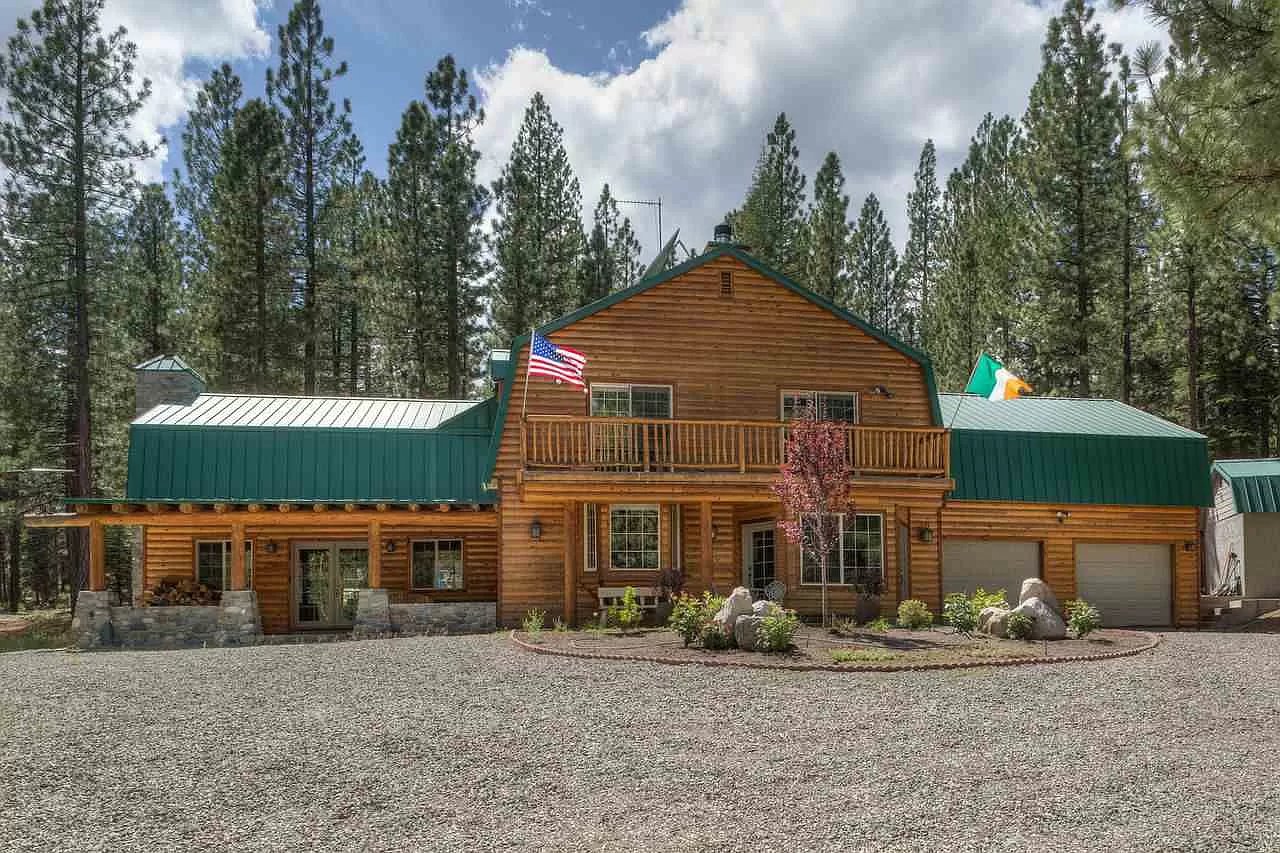
Above Crown King, a mile-high off-grid property supports full-time staff, with plans to grow to 40 residents and on-site greenhouses. In the Sierra near Lake Tahoe, a log home doubles as the base of its owners' catering business, and both run on one system we built in 2021. At the foot of the Dragoon Mountains, a couple who traded van life for a dream home got a fully permitted system, and we reused the equipment they'd already gathered where it made sense. South of Flagstaff, a retreat that had sat dark for years on an inadequate system came back to life with power built for real off-grid living.
Upgrades
Upgrades count too.
A lot of our home work isn't new construction. It's rebuilding a weak or DIY system into one that carries the whole house, sometimes keeping the parts worth keeping.
Weather
About those cloudy stretches.
This is the question every off-grid homeowner asks. The answer is engineering: storage sized to your location's real conditions, plus a generator for extended weather and maintenance windows. Built right, the house never goes dark, and the generator barely runs.